
Play Plane Game Gambling Now!
Home → Auto Cashout
Plane Game Auto Cashout
Auto cashout in Plane Game
Plane Game, developed by Spribe and released in 2019, offers an auto cashout feature that automatically closes a bet at a chosen multiplier. This function removes reaction time from the outcome but does not change the built-in edge of the game's mechanics. Players can set this parameter before the round starts to ensure consistent execution without manual intervention during the ascent.
The theoretical RTP for Plane Game is 97.00%, representing a house edge of 3.00% over a very long run. Some operators may configure lower RTP settings such as 96% or 94%, which increases the mathematical disadvantage for the player significantly. Understanding these variations is crucial for assessing the true cost of using automated betting strategies in different casino environments.
Spribe designed Plane Game with dual bet capabilities, allowing players to place up to two simultaneous bets per round. Each bet can have its own auto cashout target, providing flexibility in managing risk across different multiplier thresholds. This structure supports complex strategies where one bet secures profits while another chases higher multipliers.
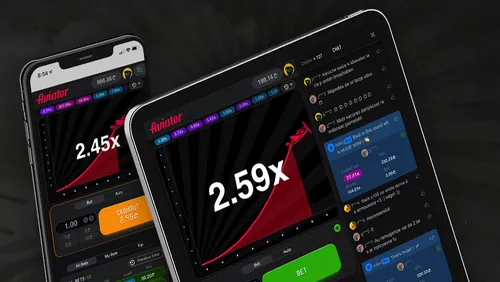
Setting a target multiplier
In Plane Game, the crash point is randomly generated each round following an exponential distribution, meaning most rounds end at low multipliers. Players must choose a target multiplier to cash out before the plane flies away, balancing potential profit against the high volatility of the game. Setting this target requires understanding the statistical likelihood of early crashes versus rare high-multiplier events.
The maximum win cap for similar titles like Aviator reaches x1,000,000, while Dice offers a max win of x970 with adjustable volatility. Tower Rush by Galaxsys has a much lower max win of 100x, contrasting sharply with Chicken Road's x3,608,855 limit. These comparisons highlight how Plane Game's unlimited potential differs from capped alternatives in the crash genre market.
Fish Road by InOut Games provides a max win of x2,542,251.93 with a 96.00% RTP, differing from Plane Game's 97.00% return. The choice of target multiplier directly impacts the frequency of wins, as lower targets yield more frequent but smaller payouts. Higher targets reduce hit frequency but increase the potential size of individual wins when successful.
Why automation removes hesitation
Automation in Plane Game eliminates the psychological pressure of deciding when to cash out during the rapid ascent of the multiplier. By pre-setting the auto cashout, players avoid hesitation that often leads to missing the optimal exit point before the crash occurs. This mechanical consistency ensures that every bet follows the predetermined strategy without emotional interference from the live feed.
The multiplayer live bet feed displays real-time actions of other participants, creating social pressure that can disrupt manual decision-making processes. Auto cashout neutralizes this influence by executing trades based solely on the initial plan rather than reacting to others' successes or failures. This isolation helps maintain discipline in high-volatility environments where split-second decisions are critical.
Spribe's implementation allows for optional auto-cashout alongside standard manual play, giving users control over their engagement level. The feature integrates seamlessly with the game's core mechanic of a rising multiplier starting from 1.00x. Players who rely on strict bankroll management find automation essential for maintaining their limits against the inherent randomness of crash points.
Low targets versus high targets
Choosing a low target multiplier in Plane Game results in more frequent small wins due to the exponential distribution favoring lower crash points. With a 97.00% RTP, the house edge remains constant regardless of the target, but variance decreases significantly with conservative settings. This approach suits players seeking steady returns rather than chasing rare high-multiplier outcomes.
High targets expose players to greater risk because the probability of the plane flying away before reaching the desired multiplier increases exponentially. While the potential payout is larger, the actual number of winning rounds drops substantially compared to low-target strategies. Mathematical analysis shows that sustained success with high targets requires a larger bankroll to absorb inevitable losing streaks.
Comparing Plane Game to Chicken Road reveals different risk profiles, with the latter offering a max win of x3,608,855 but varying RTP configurations. Plane Game's high volatility means that even with auto cashout, extended periods of losses are statistically probable. Players must adjust their bet sizes accordingly to survive the natural swings of the game's random generation algorithm.
Auto bet alongside auto cashout
Plane Game supports auto bet functionality that places wagers automatically at the start of each round, working in tandem with auto cashout. This combination allows for fully hands-free gameplay where both entry and exit points are predefined before the animation begins. The system executes these actions instantly, ensuring no delay between the round start and the placement of the wager.
The developer Spribe integrated these features into the 2019 release to cater to players who prefer systematic approaches over reactive gambling. By automating both the bet amount and the cashout threshold, users can test specific strategies over hundreds of rounds without fatigue. This efficiency is particularly useful for analyzing the performance of different multiplier targets against the 97.00% theoretical RTP.
Dual bet capability enables players to run two independent auto bet sequences simultaneously, each with distinct cashout targets and amounts. One sequence might secure small profits while the other pursues aggressive growth, diversifying the risk profile within a single session. This advanced configuration leverages the game's mechanics to create complex hedging strategies that manual play cannot easily replicate.
Plane Game: key facts
| Parameter | Value |
|---|---|
| Game | Plane Game |
| Studio | Spribe |
| Released | 2019 |
| RTP | 97.00% |
| House edge | 3.00% |
| Volatility | high |
Choosing a cashout target
Plane Game utilizes a high volatility model from Spribe that significantly influences the selection of an optimal exit multiplier for each round. The theoretical RTP stands at 97.00 percent, which establishes a house edge of exactly 3.00 percent over an extended period of play. Players must balance their desire for higher returns against the statistical probability of the plane flying away before reaching their chosen threshold.
The crash point is generated using an exponential distribution, meaning most rounds conclude at low multipliers rather than extreme highs. This mathematical reality requires users to set conservative targets if they aim for consistent small wins during their session. Setting too ambitious a goal often results in rapid bankroll depletion due to the inherent variance of this specific game mechanic.
Auto cashout functionality allows bettors to define a precise multiplier limit before the round initiates, removing emotional decision-making from the equation. This feature ensures that a predetermined profit level is secured automatically without requiring manual intervention during the fast-paced action. It effectively locks in gains based on the initial stake multiplied by the selected safe exit point.
Frequency against payout size
Spribe designs Plane Game with a 97.00 percent RTP, but operators may configure lower rates such as 96 percent or even 94 percent. These variations directly impact the long-term expected return and alter the frequency of successful payouts relative to the total amount wagered. A lower configured RTP reduces the overall payout frequency for winning combinations across the player base.
Unlike crash games like Rabbit Road with its 95.50 percent RTP, this crash game relies on random generation for every single round outcome. The frequency of crashes at low multipliers is inherently higher than landing on high multipliers due to the exponential distribution algorithm. Consequently, players experience frequent small losses interspersed with occasional larger wins when timing their exits correctly.
Chicken Road 2 shares the same 95.50 percent RTP but features medium volatility compared to the high volatility of Plane Game. This difference means Plane Game offers less frequent but potentially larger swings in balance during a standard gaming session. Understanding this contrast helps players adjust their betting strategies according to their personal risk tolerance levels.
Testing targets in demo
Plane Game was released by Spribe in 2019 and operates as a multiplayer crash game without traditional reels or paylines. Testing modes allow users to observe the animated plane ascending while tracking the rising multiplier from the starting point of 1.00x. This visual representation helps players understand the speed at which the multiplier increases before the inevitable crash occurs.
The provably fair system ensures that each round's outcome is independently verifiable and not manipulated by the casino operator. Players can verify the integrity of the game results using cryptographic hashes provided after each round concludes successfully. This transparency builds trust among users who wish to test strategies without risking real funds initially.
Dual bet options enable participants to place two simultaneous wagers with different auto-cashout targets within a single round structure. This feature allows for hedging strategies where one bet secures early profits while the other aims for higher multipliers. Such flexibility enhances the strategic depth available to players during their testing phase.
Adjusting after a losing streak
High volatility in Plane Game means that losing streaks are statistically more common than in lower variance alternatives like Chicken Dash. With a house edge of 3.00 percent, the mathematical advantage always favors the operator regardless of short-term performance trends. Recognizing this inherent disadvantage is crucial for managing expectations during periods of consecutive unsuccessful rounds.
Some operators offer a 300 percent welcome bonus up to €2,000 plus 100 free spins to new registrants. While these bonuses provide additional playing capital, they rarely cover the potential losses incurred during a severe downturn in luck. Players should calculate whether the bonus terms justify the increased exposure to the game's volatile nature.
Mines and Plinko both maintain a 97.00 percent RTP, offering comparable theoretical returns to Plane Game despite different gameplay mechanics. Comparing these titles helps players determine if switching games might provide a better variance profile during difficult sessions. Adjusting bet sizes conservatively after losses remains the most effective method for preserving remaining bankroll stability.
When to turn automation off
Auto cashout closes a bet automatically at a chosen multiplier, removing reaction time from the outcome entirely. This tool does not change the built-in edge of the game, which remains fixed at 3.00 percent for Plane Game. Relying solely on automation can lead to missed opportunities if the market conditions or player behavior patterns shift unexpectedly.
Spribe's design includes a live bet feed that displays real-time actions from other participants in the current round. Observing this data manually allows players to make informed decisions about when to override automated settings for better timing. Manual intervention can sometimes capture slightly higher multipliers than pre-set limits would allow.
Chicken Dash by TaDa Gaming offers a max win of 20,659x with a 96.85 percent RTP, differing significantly from Plane Game's structure. Switching between titles requires understanding that automation rules valid for one game may not apply equally well to another. Disabling automation periodically encourages active engagement and prevents passive loss accumulation during monotony.
Double bet setups
Plane Game allows players to place up to two simultaneous bets within a single round, providing a flexible mechanism for managing risk exposure during the ascent of the animated multiplier. This dual-input structure enables users to allocate capital across different strategic profiles, such as securing a baseline return while pursuing higher multipliers in the second slot. The configuration supports diverse betting approaches without altering the underlying game mechanics or the random generation of the crash point for each individual session.
The theoretical return to player (RTP) for Plane Game is set at 97.00%, which represents a house edge of 3.00% over a very long run of gameplay sessions. Operators may configure lower RTP settings, such as 96% or 94%, which directly increases the mathematical advantage held by the casino in every completed round. Players must account for these variations when calculating potential returns, as the effective edge shifts significantly depending on the specific operator's implementation of the game parameters.
High volatility defines the risk profile of this crash title, meaning that wins are distributed irregularly with frequent small losses and occasional large payouts before the plane flies away. This statistical characteristic requires players to maintain sufficient bankroll resilience to withstand dry spells between successful cash-outs, as the exponential distribution favors low multiplier endings. Understanding this variance is crucial for setting realistic expectations regarding the frequency and size of payouts achievable through the double bet setup.
Splitting stakes across two bets
Spribe, the developer behind Plane Game, designed the interface to accommodate independent wagering on two distinct lines, allowing for precise control over stake distribution per round. This feature lets players divide their total risk budget, perhaps placing a smaller conservative bet alongside a larger aggressive one to balance potential outcomes against the rising multiplier curve. The independence of these wagers ensures that a loss on one line does not automatically negate the strategic value of the other during the same game cycle.
The auto cashout feature operates independently for each of the two active bets, enabling players to set specific multiplier thresholds for automatic withdrawal without manual intervention. By defining these targets in advance, users can remove emotional decision-making from the equation, ensuring that profits are secured even if the plane crashes unexpectedly at high speeds. This automation removes reaction time from the outcome but does not change the built-in edge established by the game's RTP and volatility settings.
Comparative analysis with other titles like Spaceman by Pragmatic Play reveals differences in maximum win caps and volatility structures that influence how split stakes might perform. While Spaceman offers a max win of 5000x with high volatility, Plane Game's crash mechanic relies on the timing of the cash-out relative to the randomly generated crash point. Players should evaluate these distinct mechanics to determine whether splitting stakes aligns better with their preferred risk tolerance and profit-taking strategies in instant games.
Combining a safe and a risky target
A common strategy involves pairing a low-multiplier auto cashout on one bet with a high-risk manual cashout on the second, aiming to cover costs while chasing significant gains. For instance, setting an auto cashout at 1.50x might secure a modest profit that offsets the initial stake, while the second bet remains open for potential exponential growth. This hybrid approach leverages the game's high volatility by ensuring partial recovery even if the risky bet fails before the plane reaches its peak multiplier height.
The provably fair technology used by Plane Game ensures that each crash point is generated randomly via an exponential distribution, making it impossible to predict when the plane will fly away. This randomness means that even a seemingly safe target carries inherent risk, as the crash could occur at any moment, including immediately after the round begins. Players must recognize that no strategy can overcome the house edge, regardless of how carefully the safe and risky targets are calibrated for each individual session.
Unlike traditional slots with fixed paylines, Plane Game's outcome is determined solely by the multiplier at the moment of cash-out, emphasizing timing over symbol alignment. This distinction highlights why combining bets requires careful consideration of the game's unique mechanics, where the animated plane's ascent speed and crash probability are key variables. Understanding these factors helps players manage expectations and avoid the fallacy that certain bet combinations guarantee long-term profitability against the mathematical edge.
Limits of any automated plan
While auto cashout simplifies execution by locking in profits at predefined multipliers, it cannot adapt to changing market conditions or operator-specific RTP configurations that may vary between platforms. The feature removes reaction time from the outcome but does not alter the fundamental mathematics of the game, leaving players exposed to the inherent house edge of 3.00%. Users must remain aware that automation is a tool for discipline, not a mechanism for gaining a mathematical advantage over the casino's built-in advantage.
Plane Game's high volatility implies that extended periods of losses are statistically probable, even with disciplined use of automated betting plans to manage exposure. The exponential distribution of crash points means that most rounds end at low multipliers, potentially draining bankrolls faster than anticipated if risk management protocols are not strictly followed. Players should view automation as a way to enforce consistency rather than a solution to the underlying variance that characterizes this type of crash game.
In comparison to games like Fortune Rabbit by PG Soft, which features a medium volatility and a non-standard 3-4-3 row grid, Plane Game offers a fundamentally different risk-reward dynamic. Fortune Rabbit provides a max win of 5000x with more predictable payout frequencies due to its reel-based structure, whereas Plane Game relies entirely on timing. This contrast underscores the limitations of applying slot-based strategies to crash games, where the absence of reels and paylines demands a completely different approach to stake management and profit realization.
What automation cannot fix
Automation in Plane Game, such as auto cashout, addresses behavioral consistency but cannot correct for the structural disadvantage imposed by the 3.00% house edge over the long term. No software adjustment or betting pattern can eliminate the mathematical reality that the theoretical return of 97.00% guarantees a net loss for players over hundreds of thousands of rounds. Users must accept that tools designed to streamline gameplay operate within the constraints of the game's defined volatility and random number generation algorithms.
The provider Spribe ensures that the crash point is determined by a provably fair algorithm, meaning that past results do not influence future outcomes in any predictable manner. This independence makes it impossible for automated systems to detect patterns or exploit inefficiencies, as each round starts with a fresh random seed and identical probability distribution. Players relying on automation to find 'safe' windows for cashouts will inevitably encounter losses consistent with the game's high volatility and statistical design.
Bonus terms such as a 300% welcome bonus up to €2,000 plus 100 free spins may offer additional value, but they rarely alter the core mechanics or edge of the crash game itself. These promotions typically come with wagering requirements that must be met through gameplay, potentially encouraging longer sessions that increase exposure to the house edge. Understanding that bonuses are marketing incentives rather than strategic advantages is crucial for maintaining realistic expectations about the effectiveness of automated betting plans in mitigating long-term financial risk.
DemoRTP & VolatilityHow to PlayAuto CashoutStrategyBonusesMobileDownload & AppMax WinSimilar GamesReviewFAQSitemap
Plane Game Gambling 2026